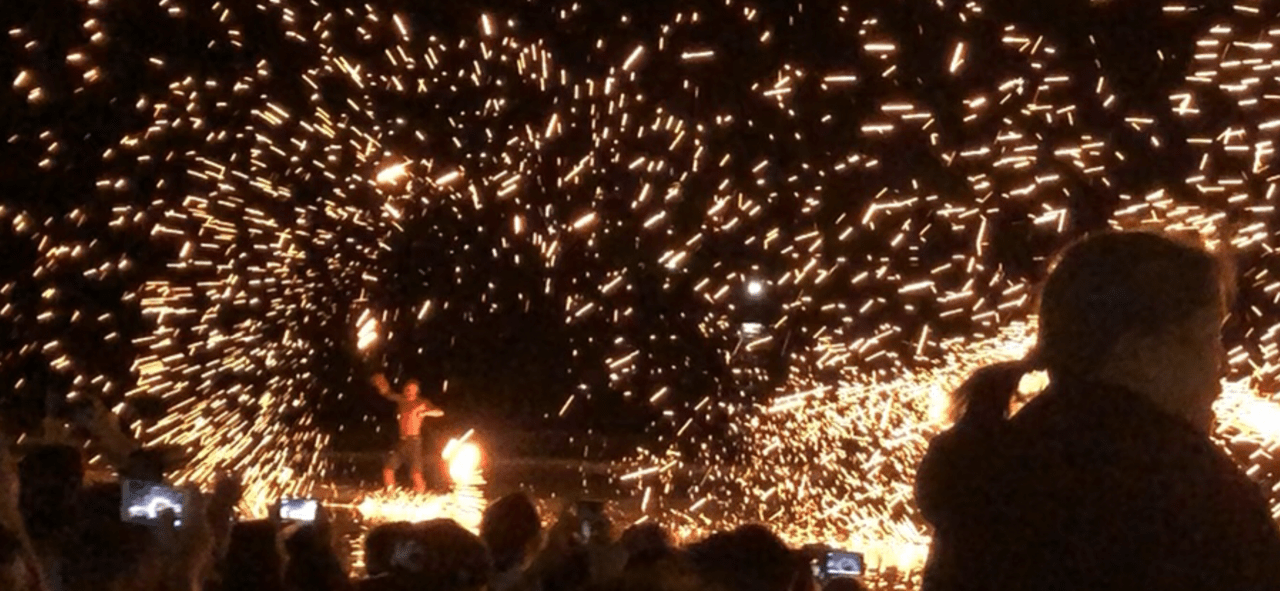
With the 2020 Australian Bushfires regulatory red tape is set to get even more challenging – especially in Flame Zones. Apart from various jurisdictions usurping Australian and international standards with tougher controls, there is also talk on the ground as to whether such draconian regulations have worked – given the number of FZ designed building that did not work as effectively in the 2020 bushfires as intended by the codes.
As an example of the confusion between regulators and standard providers, Clause 3.5 in AS3959:2018 allows for a reduction in a BAL category if a surface is shielded (leeward to the fire direction) whereas the NSW RFS Planning for Bushfire requires the highest BAL all-around adding significant cost to construction – refer to the last paragraph in Appendix A1.8 Shielding that completely contradicts the first paragraph!
One may argue that the limited design options and the correspondingly exorbitant expense of complying due to the perceived need to have the whole system AS1530 .8.2 tested, is creating a false sense of bushfire safety let alone a bland living habitat. More needs to be done to counter these repressive constraints by embracing new designs and new ways of thinking. For example, consider designing for parts rather than wholes through sacrificial design thereby achieving a balanced and sustainable outcome.
This is the start of a new journey building a new studio/workspace. The 50 square metre studio is being built under and existing dwelling in a 320 cubic metre void space abutting a Hawkesbury Sandstone rock escarpment within an area that is rated Forest – BAL FZ (Flame Zone).

 Strategy & Architecture